What is Biomedical Waste
FROM REGISTRATION TO REGULATIONS
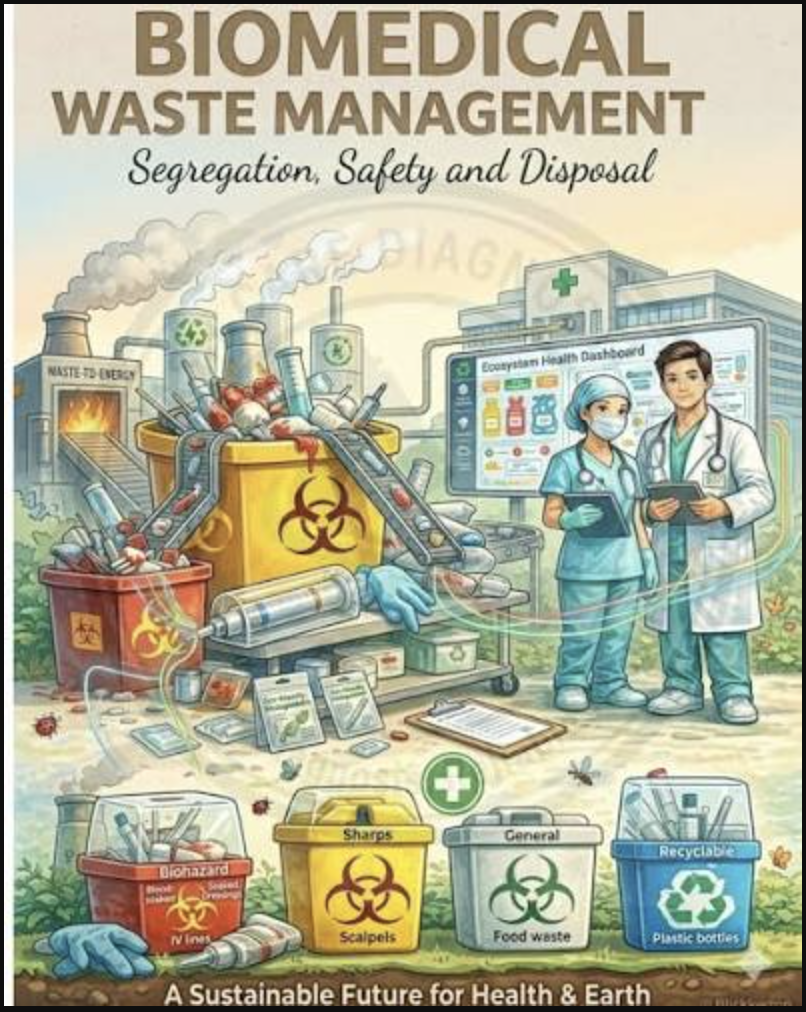
• Biomedical waste, also known as hospital waste, comprises infectious or potentially
infectious materials generated during the treatment of humans or animals and from related
research activities.
• This waste can be solid or liquid and includes items like discarded blood, sharps (e.g., needles,
scalpels), microbiological cultures, human or animal tissues, and used medical supplies.
• Biomedical waste is produced by various sources including hospitals, health clinics, nursing
homes, and medical research facilities, with operating rooms being the largest generators.
• Proper handling and disposal are essential to prevent the spread of infections, protect
healthcare workers, patients, and the general public from injuries such as needle-stick
accidents, and minimize environmental pollution by ensuring that hazardous biomedical
materials do not contaminate air, water, or soil.
Examples of biomedical waste
Used syringes and needles (sharps)
Blood-soaked bandages and cotton
Human tissues and body parts
Used gloves, masks, and gowns
Laboratory cultures and specimens
Expired medicines and vaccines
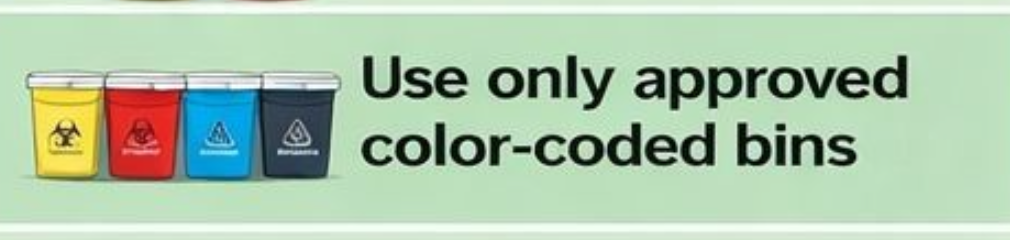
Five Waste Categories
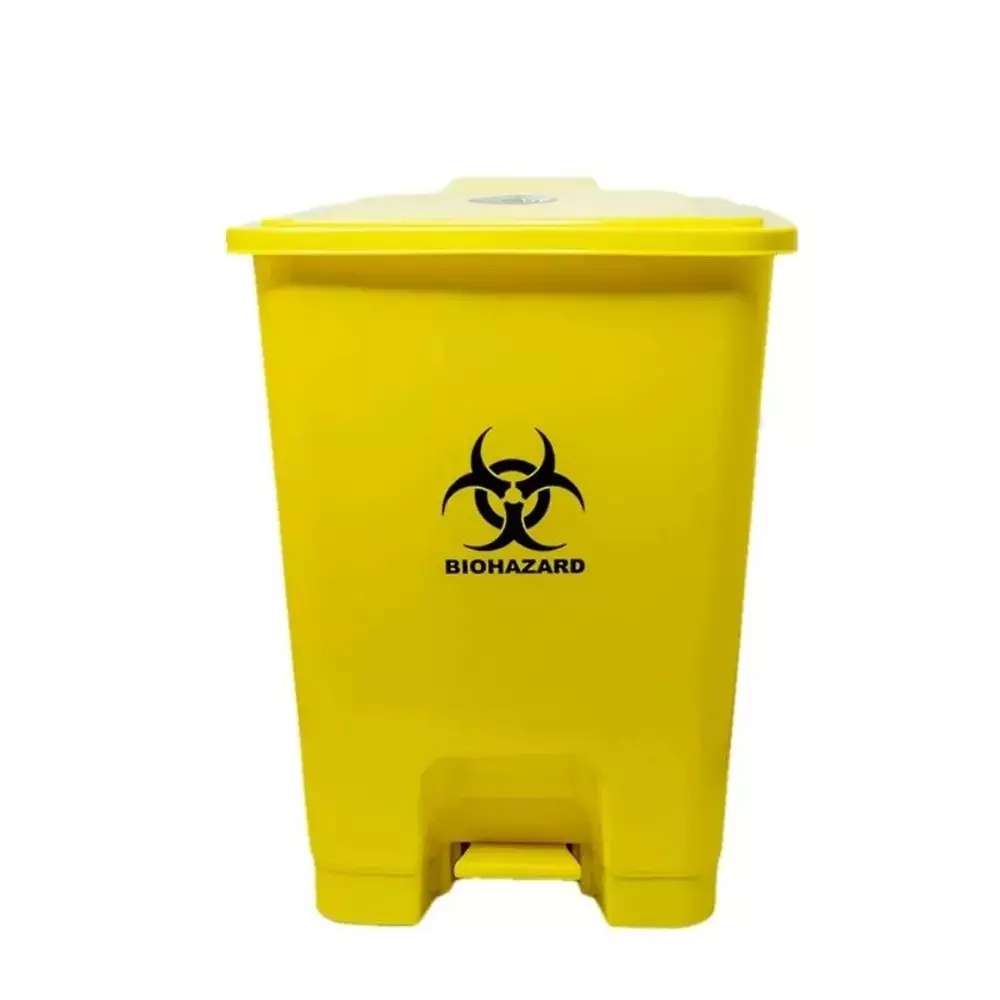
Biohazard Waste (Yellow)
Includes contaminated dressings, bandages, body fluids, and human anatomical waste requiring safe disposal.
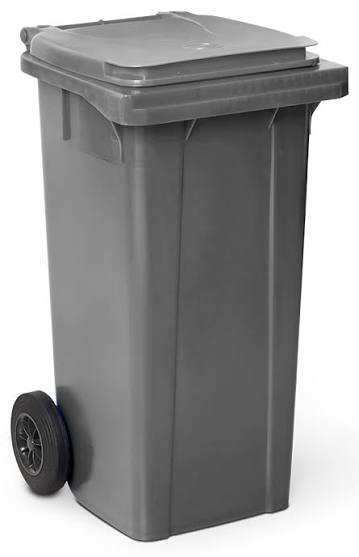
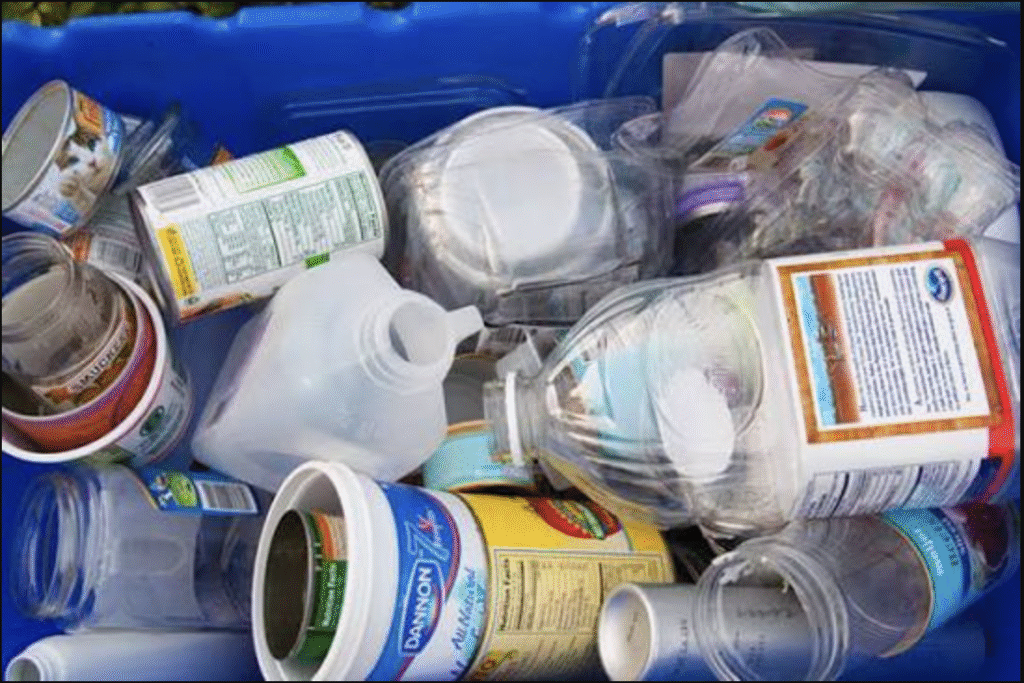
General Waste (Grey/Black)
Consists of non-hazardous waste such as food scraps, packaging materials, and disposable items.
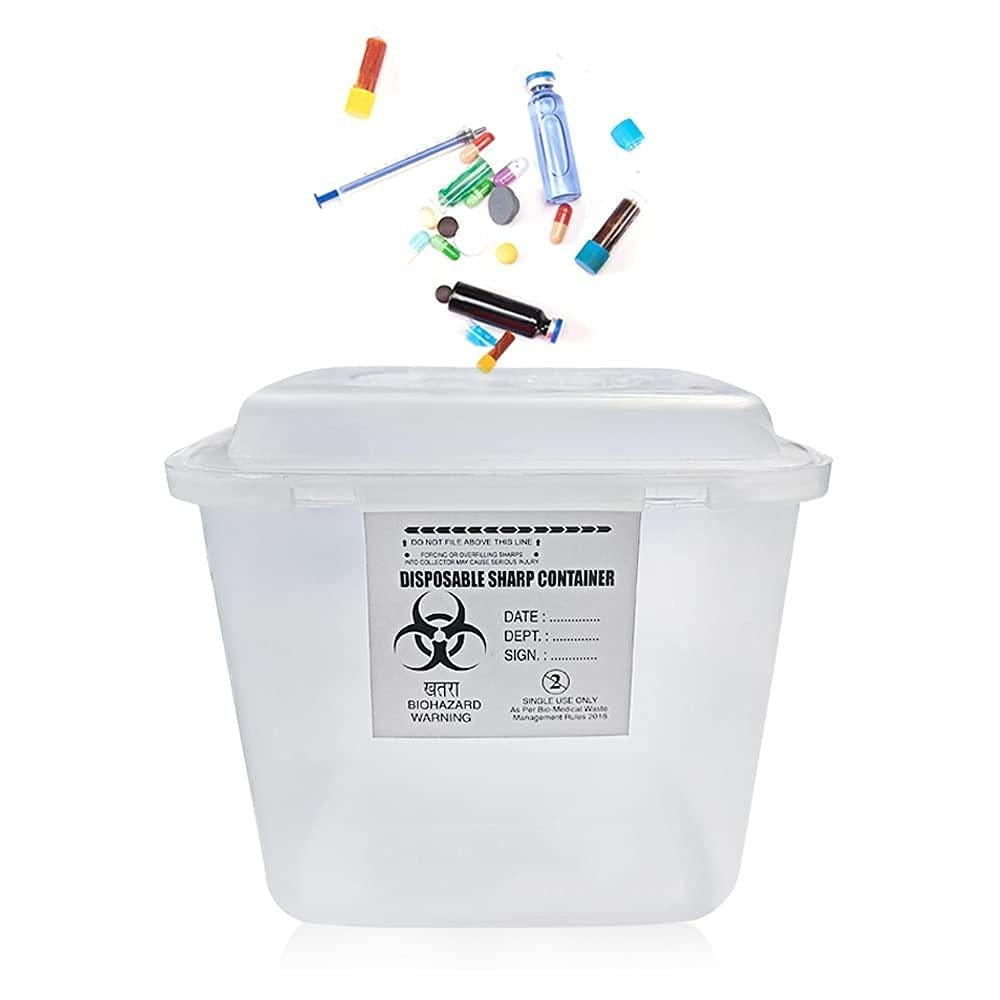
Sharp Waste (White)
Contains used needles, blades, syringes, and other sharp objects that can cause injury.
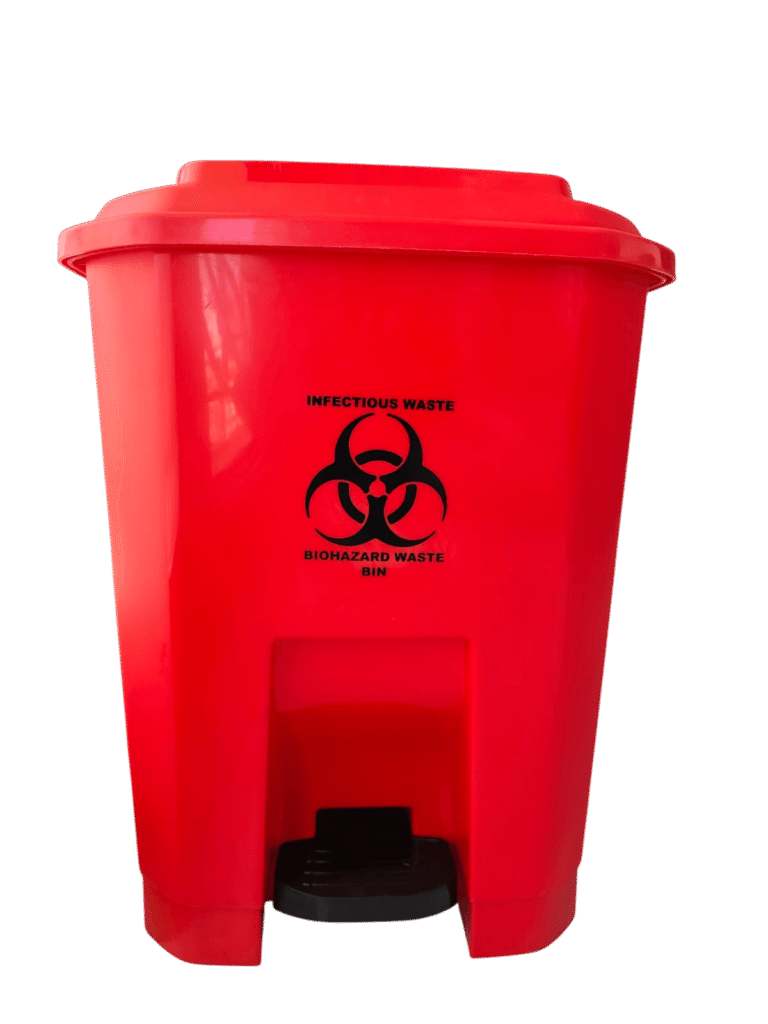
Infectious Plastic Waste (Red)
Comprises contaminated plastic items such as gloves, IV tubes, catheters, and syringes without needles.
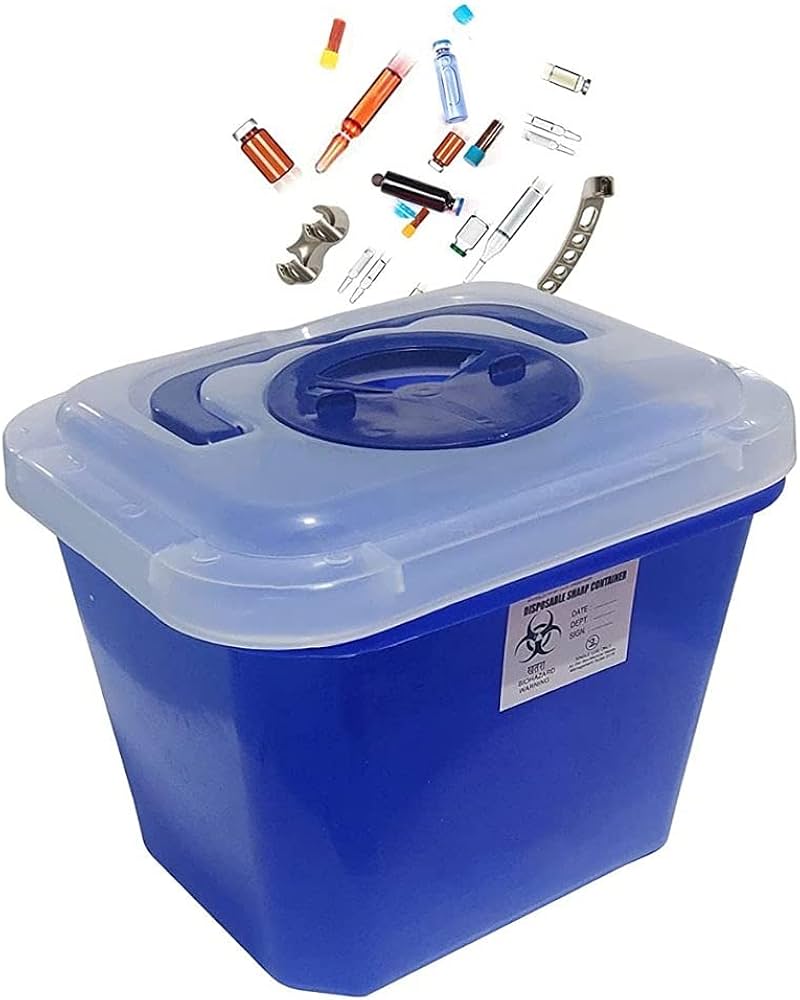
Glassware Waste (Blue)
Includes broken glass, medicine ampules, vials, and other recyclable glass items.
EPIDOT ENVIROTECH SOLUTIONS
• We are dedicated to simplifying medical waste compliance for healthcare providers.
• Founded in Pune, We arose from the need to assist medical practitioners in navigating
complex regulatory requirements for biomedical waste management.
• The team comprises compliance experts, environmental consultants, and legal advisors who
have aided numerous healthcare facilities in Maharashtra.
• Our services include obtaining certifications such as MPCB Authorization and Biomedical
Waste Disposal Certificates, along with support in documentation, application, audit
preparation, and training.
• The company is known for its reliability, transparency, and swift service, aiming to ensure
clients remain compliant with minimal stress.
LAWS REGARDING BIOMEDICAL WASTE
The Biomedical Waste Management (BMW) Rules, 2016, notified on 28 March 2016, apply
to all entities involved in the generation, collection, storage, transport, treatment, and
disposal of biomedical waste. These rules exclude radioactive waste, municipal solid waste,
e-waste, hazardous waste, lead-acid batteries, and hazardous microorganisms .
Duties of Occupier (Healthcare Facilities):
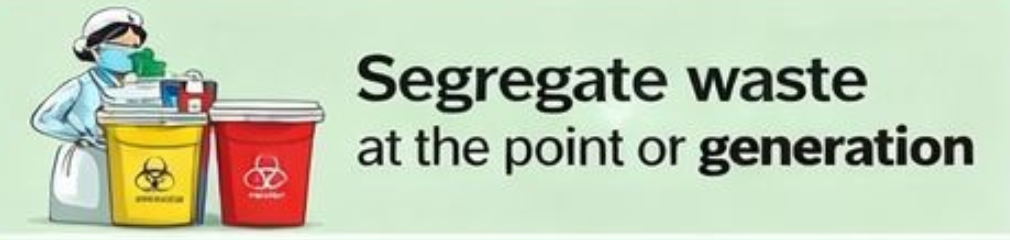
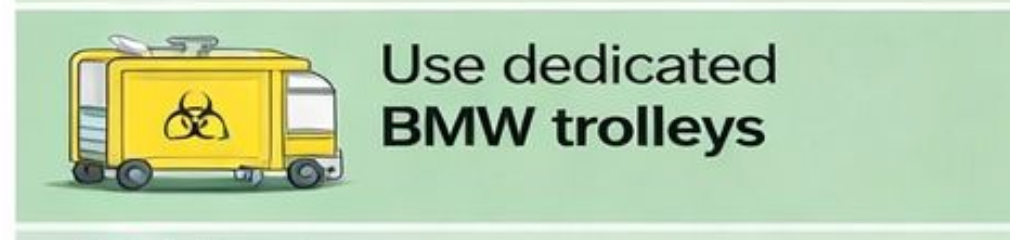
Healthcare establishments must ensure safe and secure storage, proper segregation, staff
training, Hepatitis-B and Tetanus immunization for workers, phase out chlorinated
plastics, and implement a barcode system for biomedical waste tracking. Biomedical waste
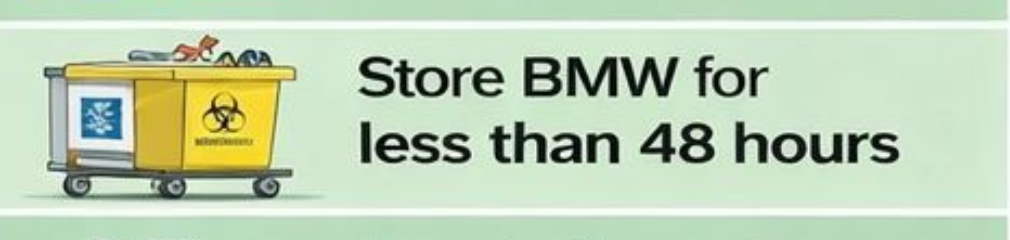
should not be stored beyond 48 hours, except with valid justification to the SPCB .
Duties of Operator (CBMWTF):
Operators must ensure timely waste collection, report major accidents, assist in training,
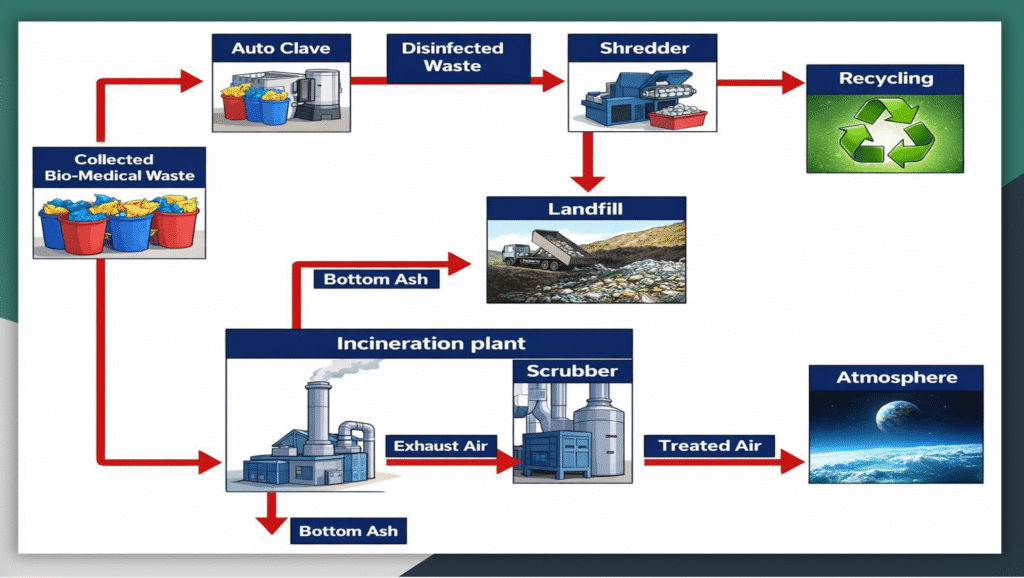
upgrade incinerators, and implement barcode and GPS systems. Recyclable waste can be
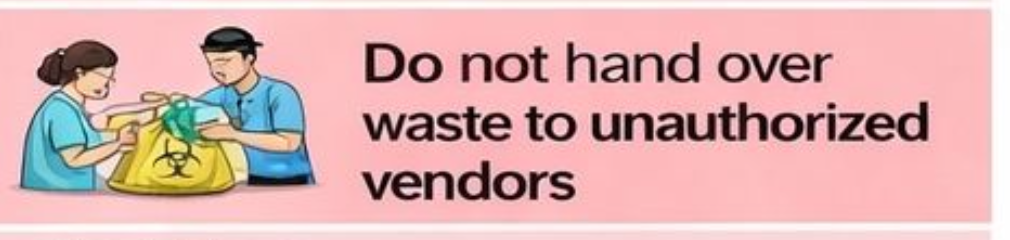
handed over only after proper treatment .
Recent Videos
Authorization & Reporting (Expanded):
Authorization
Non-bedded healthcare facilities (HCFs) are required to obtain a one-time authorization under the Biomedical Waste Management Rules, 2016, eliminating the need for periodic renewals, provided there is no change in operations or waste generation practices.
Annual Reporting:
Every healthcare occupier must submit an Annual Biomedical Waste Management Report to the prescribed authority on or before 30th June of each year. This report details the quantity of waste generated, treated, and disposed of, ensuring regulatory oversight and compliance.
Record Maintenance
Healthcare facilities must maintain detailed records for a minimum of five years, covering all aspects of biomedical waste handling, including generation, collection, storage, transportation, treatment, and final disposal. These records must be readily available for inspection by regulatory authorities.
Accident Reporting
Any major accident, such as spillage, exposure, fire, or equipment failure during handling or transportation of biomedical waste, must be reported immediately to the concerned authority. A detailed incident report must be submitted within 24 hours, outlining the cause, impact, and corrective actions taken to prevent recurrence.

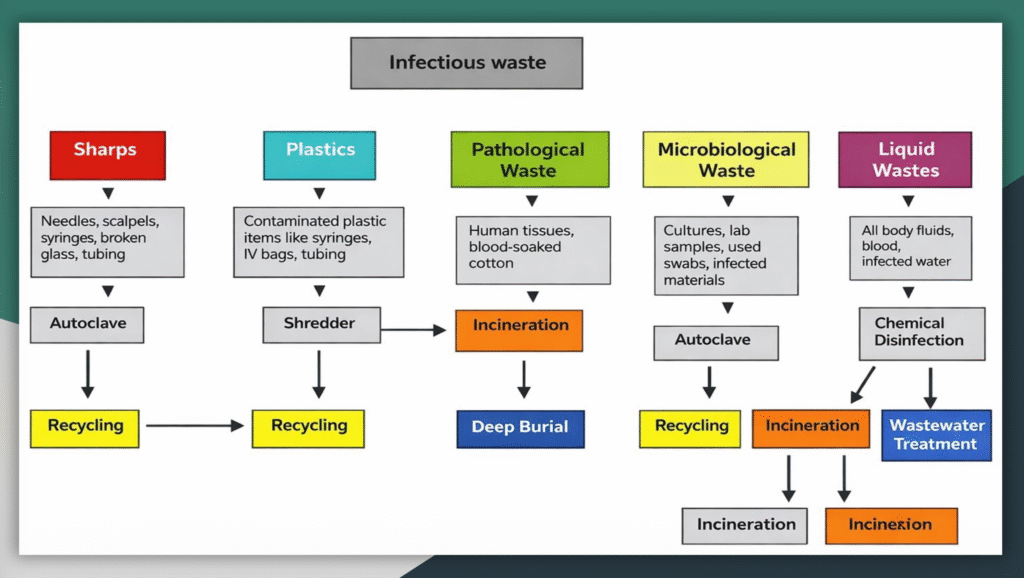
INFECTIOUS WASTE
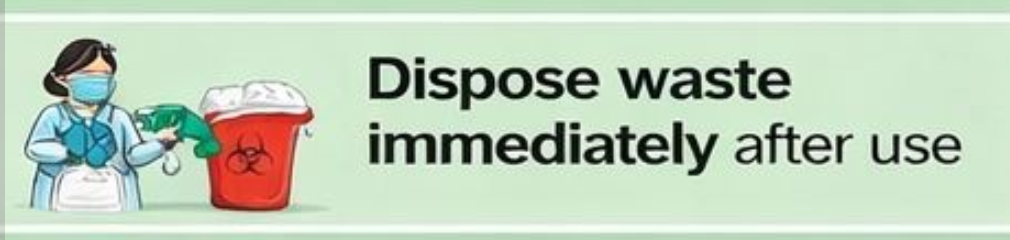
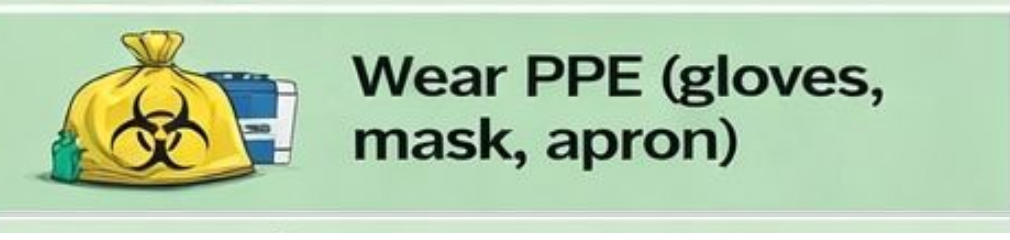
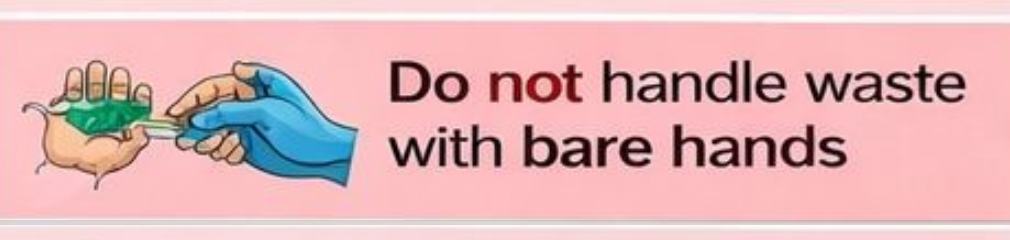
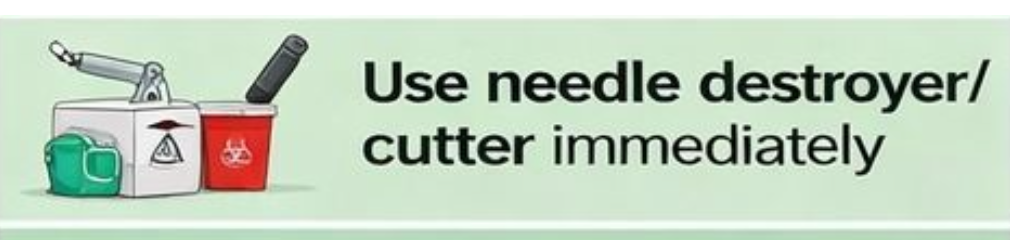
DO’s AND DON'Ts OF BMW HANDLING
DO’s
DON'Ts